
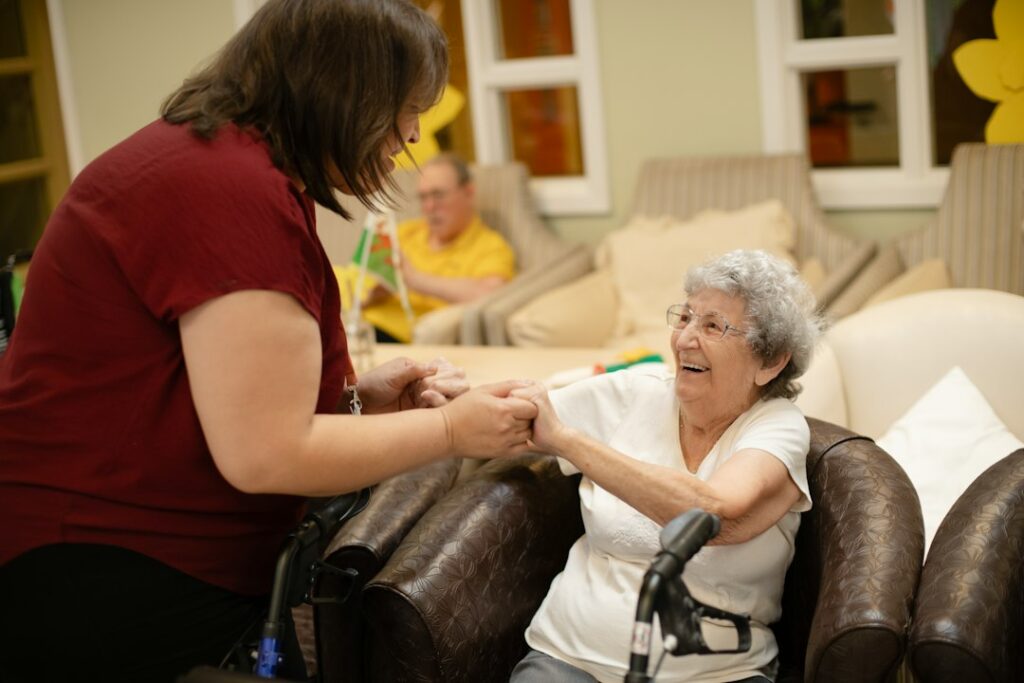
Assisted living can support chronic condition management by combining daily routines, medication oversight, personal assistance, monitoring, and communication with healthcare providers. For residents in Willow Grove, PA, this support may help make health plans easier to follow while preserving as much independence as possible.
Chronic conditions commonly include diabetes, heart disease, high blood pressure, arthritis, chronic lung disease, kidney disease, Parkinson’s disease, and memory-related conditions. Assisted living does not cure these illnesses, but it can provide structure that reduces missed medications, overlooked symptoms, falls, and avoidable disruptions in care.
What does chronic condition management include?
Chronic condition management means handling an illness over time rather than treating a single short-term problem. It involves following a care plan, taking medications correctly, attending appointments, monitoring symptoms, eating appropriately, staying active within safe limits, and recognizing when health changes require attention.
In assisted living, these tasks may be supported through:
- Scheduled medication administration or reminders
- Help with bathing, dressing, toileting, and mobility
- Regular observation of changes in appetite, sleep, mood, breathing, or activity
- Assistance with meals and hydration
- Coordination of transportation or appointments
- Communication with family members and outside healthcare providers
- Safety planning for falls, wandering, or urgent symptoms
The exact level of support varies. Some residences provide reminders and personal care, while others have more extensive nursing services. A person whose needs require continuous skilled medical care may need a nursing facility or another setting rather than traditional assisted living.
How does assisted living help with medications?
Medication routines are one of the most practical forms of support. Staff may store medications securely, provide them at scheduled times, document whether they were taken, and report concerns such as refusals, side effects, or difficulty swallowing.
This can be especially useful for people taking several prescriptions for multiple conditions. Common problems include duplicate medications, confusing instructions, missed doses, and medicines that cause dizziness or drowsiness.
Medication support should not mean that prescriptions are changed without authorization. A physician, nurse practitioner, pharmacist, or other authorized clinician must direct medication changes. Families can ask how often medication lists are reviewed and how updates from outside appointments are communicated.
A useful medication review should consider:
- Prescription drugs, over-the-counter medicines, vitamins, and supplements
- Dizziness, weakness, confusion, constipation, or unusual sleepiness
- Whether medications are still needed or remain effective
- Possible interactions between medicines
- Changes in kidney function, appetite, weight, or hydration
Medication safety also connects directly to fall prevention. Medicines for sleep, anxiety, pain, blood pressure, or other conditions can affect balance, alertness, vision, or reaction time in some older adults.
Can assisted living help manage diabetes and heart conditions?
Yes, assisted living may support the everyday routines required for diabetes, high blood pressure, heart disease, and related conditions. The support depends on the resident’s care plan and the services permitted by the residence.
For diabetes, assistance may include meal consistency, glucose monitoring when authorized, medication reminders, observation for signs of low or high blood sugar, and help identifying changes in eating or energy. Staff may also notice when a resident is drinking more, urinating more often, losing weight, or becoming unusually tired.
For heart or blood pressure conditions, staff may observe swelling, shortness of breath, sudden weakness, chest discomfort, reduced stamina, or rapid changes in daily functioning. These observations do not replace medical evaluation, but they can help identify a change sooner.
Residents and families should ask whether the residence can support specific needs, such as insulin administration, blood glucose checks, oxygen use, compression garments, or dietary restrictions. Services may differ by license, staffing, training, and the resident’s medical complexity.
How does assisted living reduce risks related to falls?
Fall prevention is an important part of managing chronic illness because arthritis, stroke, osteoporosis, vision problems, low blood pressure, neuropathy, and Parkinson’s disease can all affect balance or movement.
Assisted living may reduce risk through safer room layouts, handrails, improved lighting, mobility assistance, footwear reminders, and supervision during higher-risk activities. Staff may also track falls and near-falls, which can reveal patterns that need attention.
Physical, occupational, or speech therapy may be arranged through outside providers when clinically appropriate. Therapy can address strength, walking, transfers, adaptive equipment, and safe completion of daily tasks.
Seasonal conditions can add practical concerns for residents in Willow Grove. Winter ice and snow may make outdoor walking hazardous, while humid summer weather can contribute to dehydration or fatigue. A sound care plan considers whether a resident needs extra fluids, indoor exercise options, weather-related transportation adjustments, or assistance using mobility devices.
What role do meals and hydration play?
Nutrition is part of chronic disease management, not simply a dining preference. Residents may need meals that account for diabetes, heart failure, high blood pressure, kidney disease, food allergies, swallowing difficulty, or unintended weight loss.
Assisted living staff may help by offering regular meals, monitoring eating patterns, providing texture-modified foods, and noting when a person is leaving meals untouched. A dietitian or clinician may be needed for complex dietary needs.
Hydration also deserves attention. Older adults may not always feel thirst, and some medications or health conditions increase the risk of dehydration. Warning signs can include new confusion, weakness, dizziness, dry mouth, darker urine, or a noticeable decline in activity.
A specialized diet should be based on current medical guidance. Broad restrictions can sometimes cause unintended weight loss or reduce enjoyment of food, so dietary changes should be reviewed as health needs change.

How are changes in health communicated?
Good communication turns daily observations into useful clinical information. Staff may notice changes before a scheduled appointment because they see the resident’s usual routines and abilities.
Important observations may include:
- A new cough or change in breathing
- Increased confusion or unusual behavior
- Repeated refusal of medications or meals
- New swelling, pain, or weakness
- More frequent falls or difficulty standing
- Sleeping much more or less than usual
- Changes in continence or bathroom habits
Families can help by keeping an updated list of diagnoses, medications, allergies, healthcare contacts, advance directives, and preferred emergency contacts. After a hospital visit, rehabilitation stay, or specialist appointment, the residence should receive clear instructions about medication changes, follow-up care, activity limits, and warning signs.
What should families ask before choosing assisted living?
The most useful questions focus on the person’s actual health needs rather than the appearance of the building. Ask:
- Who administers medications, and what training do they have?
- Is a nurse available on site, and during what hours?
- Can staff assist with glucose checks, injections, oxygen, or wound care?
- How are falls, infections, and changes in condition documented?
- What happens after a hospital discharge?
- Which therapy services can be arranged?
- How are physicians and family members notified about concerns?
- What changes in health would require moving to a higher level of care?
- How are emergency plans handled during power outages or severe weather?
Assisted living works best when responsibilities are clear. The residence supports daily routines and observation, while licensed healthcare professionals diagnose conditions, prescribe treatment, and adjust care plans. Families remain important partners, particularly when a resident has memory loss, multiple chronic illnesses, or difficulty communicating symptoms.
For many older adults, the goal is not perfect control of every condition. It is a safer, more organized daily life in which health needs are recognized, care instructions are followed, and changes are addressed before they become emergencies.
