
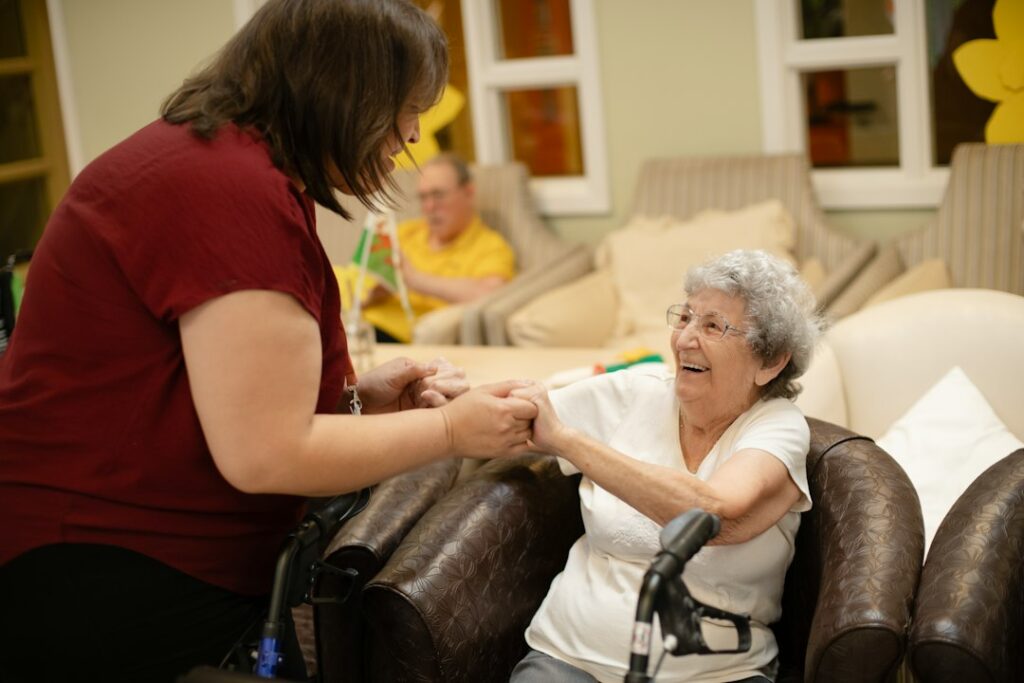
Why Family Participation Matters
Family members can support an older adult’s well-being by taking part in assisted living events in ways that match the person’s interests, energy level, and comfort. Attendance is helpful, but meaningful participation may also include preparing for an event, joining a small activity, helping with transportation, or talking about the experience afterward.
Assisted living events often include more than entertainment. They may support social connection, movement, creativity, learning, spiritual reflection, seasonal traditions, or relationships between residents and their families. A family member’s involvement can make these activities feel more familiar, especially during the early stages of a move.
Participation should support the resident rather than take control of the event. The goal is to help the older adult feel included, respected, and comfortable.
Which events are usually appropriate for family members?
Many assisted living communities offer events that are designed for residents and visitors together. The schedule may include:
- Holiday gatherings and seasonal celebrations
- Family meals or informal social hours
- Musical performances and sing-alongs
- Craft projects, games, and discussion groups
- Exercise, walking, or gentle movement activities
- Educational presentations
- Outdoor gatherings during mild weather
- Birthday recognitions and resident showcases
- Remembrance events or cultural observances
Some activities are better suited to certain residents than others. A busy celebration may be enjoyable for someone who likes conversation and movement but tiring for a person who becomes overwhelmed by noise. A small craft group or quiet afternoon visit may be a better fit.
Before attending, ask what the event involves, how long it lasts, whether visitors need to register, and whether the resident can leave early if needed.
How should a family member prepare before attending?
Preparation can reduce stress and help the visit go smoothly. Start by asking the resident what they would like from the event. They may want a companion, a ride, help choosing clothing, or simply reassurance that a familiar person will be present.
Review practical details in advance:
- Confirm the date, time, and location within the community.
- Ask whether the activity is indoors, outdoors, or in a shared common area.
- Check whether seating, restrooms, or quiet spaces are nearby.
- Consider the resident’s medication, meal, and rest schedule.
- Dress for the activity and expected weather, particularly if part of the event is outside.
- Bring glasses, hearing devices, mobility supports, or other items the resident normally uses.
- Allow extra time for elevators, hallways, parking, and transitions.
In Willow Grove, PA, seasonal weather can shift quickly. Warm summer conditions, cold winter temperatures, rain, and icy surfaces may affect outdoor events and travel plans. Families should avoid making the event feel rushed, especially if the resident uses a walker, wheelchair, or other mobility aid.
What is the right role during the event?
A family member’s role is usually to encourage participation without directing every moment. Sit beside the resident, introduce them to others when appropriate, and help with materials or instructions if asked.
Try to follow the resident’s lead. Some people enjoy meeting new people, while others prefer observing or speaking with one or two familiar individuals. A relative does not need to make the resident socialize constantly. Quiet companionship can be just as valuable.
Helpful actions may include:
- Offering simple choices, such as where to sit or which activity to try
- Repeating instructions in a calm voice if the room is noisy
- Helping the resident join a conversation without answering every question for them
- Noticing signs of fatigue, discomfort, hunger, or overstimulation
- Supporting safe movement without pulling, lifting, or moving mobility equipment improperly
- Leaving the activity early if the resident no longer feels comfortable

Avoid correcting the resident publicly, discussing private medical matters in front of others, or insisting that they participate. A person can attend an event without completing the activity or staying for its entire duration.
How can families include residents who cannot attend?
A resident who cannot attend in person can still be included. Family members may bring a simple activity, photograph, card, craft, or short description of the event to share during a later visit.
Ask whether a portion of the event can be adapted for the resident’s room or another quiet setting. For example, a family member might participate in a craft project beforehand, bring a recording of music if permitted, or share a small treat that fits the resident’s dietary needs.
Virtual participation may be useful for relatives who live far away, but technology should not create pressure. A short video call can be meaningful if the resident is alert and interested. Keep the call brief if hearing, vision, or concentration makes longer conversations difficult.
Families should also consider residents with memory loss, limited speech, hearing impairment, or reduced mobility. Events may need extra time, fewer distractions, written instructions, familiar objects, or support from someone who understands the resident’s communication style.
What if the resident refuses to participate?
Refusal is not necessarily a sign that something is wrong with the event or the relationship. The resident may be tired, anxious, uncomfortable with crowds, worried about appearance, or simply uninterested that day.
Respond without arguing. Ask whether something specific is bothering them and offer alternatives. A person may agree to attend for ten minutes, sit near the entrance, or visit privately instead. If the answer remains no, respect it.
Repeated refusal may be worth discussing with the appropriate care team, particularly if it represents a sudden change. Changes in pain, mood, sleep, hearing, vision, infection, medication effects, or mobility can influence participation. The discussion should focus on observed behavior rather than criticism.
How can families build relationships with other residents and families?
Friendly relationships can make events more comfortable, but families should respect boundaries. Introduce yourself briefly, use names when remembered, and include others in conversation without asking personal questions.
Good conversation topics include hobbies, music, local weather, recipes, books, family traditions, and past interests. Avoid discussing another resident’s health, finances, family conflict, or living arrangements.
Some family members naturally become regular participants in group activities, while others attend only occasionally. Both patterns can be appropriate. Consistency may help a resident feel secure, but reliability matters more than frequency. A short visit that happens as promised may be more reassuring than a longer visit that is frequently canceled.
How should families talk about the event afterward?
A follow-up conversation can help identify what the resident enjoyed and what should be changed next time. Ask specific, open questions rather than assuming the event was successful.
Instead of asking only, “Did you have fun?” try:
- “Which part felt most comfortable?”
- “Was the room too noisy?”
- “Would you sit in a different place next time?”
- “Did you want more time for the activity?”
- “Would you rather attend with one person or a larger group?”
Share useful observations with the appropriate staff member if the resident agrees. For example, the resident may enjoy music but need a quieter seat, or may want to attend outdoor activities but require more time for the trip outside.
Family participation works best when it remains flexible. Some days may call for a lively group event; others may be better suited to a quiet visit, a shared meal, or a brief conversation. The most useful involvement respects the resident’s preferences while helping them remain connected to the people and activities around them.
